
Articles & Papers
Kumkum Yadav is a respected scholar known for her impactful research and insightful articles in [ Draupadi or Savitri & Tribals In Indian Narratives ]. Her work is celebrated for its clarity and depth, offering valuable contributions to both academic and practical discussions.
Insights into Literature and Mythology"
Dr. Kumkum Yadav’s scholarly works are a testament to her academic rigor and her ability to explore complex themes with clarity and depth. Her research focuses on various aspects of English literature, with a keen interest in feminist readings of mythology and Indian narratives.
Selected Research Articles:
Draupadi or Savitri: Lohia’s Feminist Reading of Mythology
Published in Economic and Political Weekly (EPW), Vol. 45, Issue No. 48, 27 Nov. 2010
In addition to these, Dr. Yadav has authored 10 other research articles published in various anthologies, contributing significantly to literary scholarship.
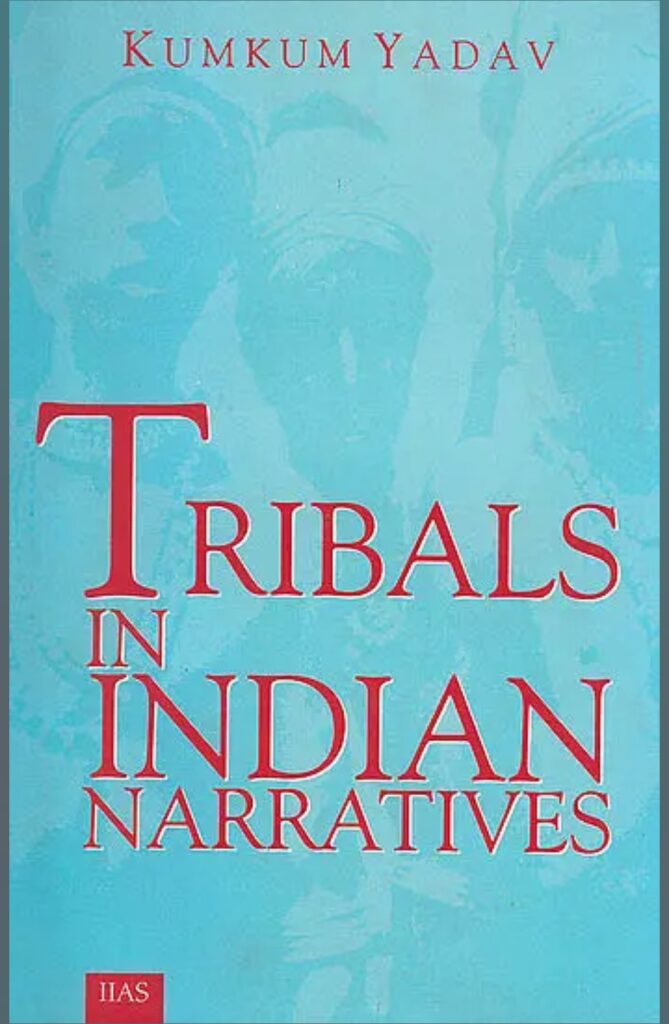
Tribals In Indian Narratives
Published by IIAS, Shimla, 2003
Dr Kumkum Yadav’s study explores the several factors that go into the representation of tribals in India. Dr. Yadav’s work unveils a series of choices, decisions, goals and relationships, both conscious and unacknowledged, that mark the images of tribals in works by Indian novelists and anthropologists.
Representation and translation are very often touched by deeply rooted imbalances in social relationships.
This book examines the writings on Indian tribes for their literature and academic status and also for the impact that they leave on the actual social conditions and social reality within which the tribes exist. It attempts to view these writings against the broader context of related issues: the changing visage of cultural and gender domination, the meaning of knowledge and authenticity, and the moral, ethical authority to define and represent the marginalized.
Written during her fellowship-at the Institute, Dr. Yadav’s monograph is a sensitive and involved critique of texts that sometimes fall into the- trap of a conditioned mind-set even as they question myths like ‘tribal’ crime/violence. It is important to reassess the roles oftribals with relation to the mainstream, specially the country’s freedom struggle and its cultural and environmental development.